





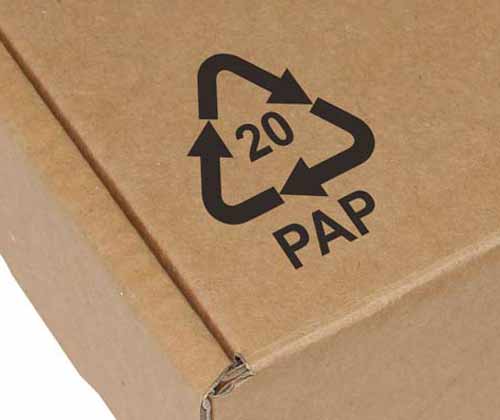


Is returnable packaging right for you?
Deciding whether multi-trip packaging is the best option for you
Deciding whether to use single-trip packaging, such as corrugated boxes, or returnable transit packaging (RTP) can have a surprisingly significant long-term influence on your costs. Not to mention your environmental impact.
But how do you decide whether to use returnable packaging or single-trip packaging?
In this guide, we’ll take a look at the definition of returnable packaging, the applications and scenarios where single-trip packaging is most suitable, and when to switch to returnable transit packaging.
If you require further assistance, please don’t hesitate to contact our team of packaging experts. As a supplier of both single and multi-trip packaging, we’re happy to offer genuinely unbiased advice.
Contents
Introduction
Why should you care about the type of packaging you use?
Running a manufacturing operation is difficult; running one that spans multiple sites and/or suppliers is even more difficult.
And this is even before talking about how to do it cost-effectively and efficiently.
There are many factors to consider, from managing the logistics and supply chain to the manufacturing equipment and processes, raw material procurement, stock management and storage, and motivating, training, and engaging a workforce.
All of this (and much more) can make deciding whether to use returnable transit packaging or single-trip packaging seem somewhat insignificant.
However, getting this right can have a surprising impact on your business’s manufacturing productivity, and therefore competitiveness, costs, and ultimate success.
Definitions
Defining what returnable packaging actually means
Before ascertaining which format is right for your operations, it is essential to define what is meant by single-trip and multi-trip packaging.
Returnable or reusable packaging, which you may also hear referred to as returnable transport packaging (RTP) or reusable transport items (RTI), is, as the name suggests, returnable or reusable. A reusable container or tote that will be used over multiple journeys.
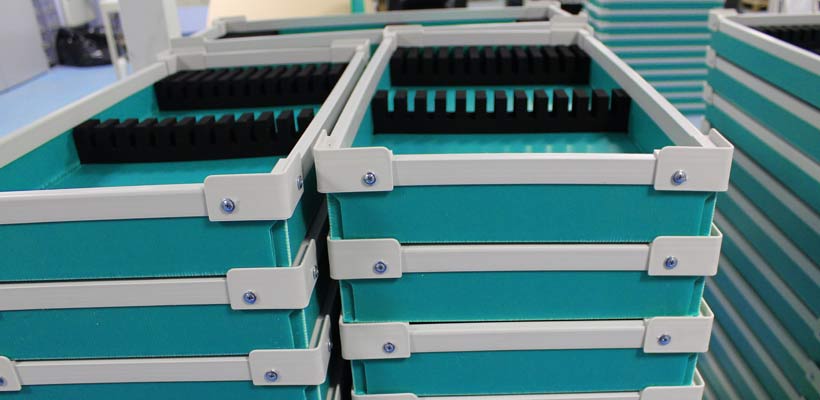
These are generally manufactured from durable materials such as moulded polypropylene, corrugated plastics such as Correx®, or indeed other materials such as wood or metal (although these tend to be less common).

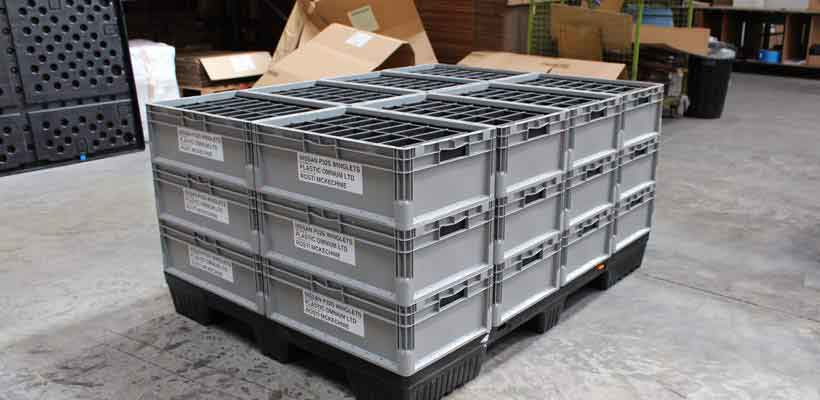
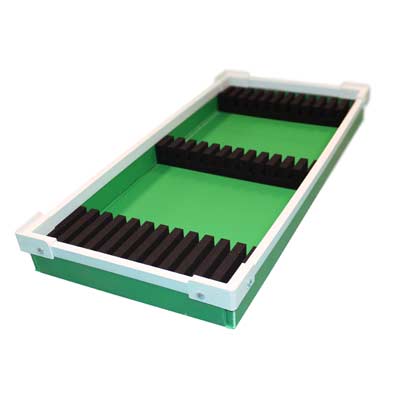
Reusable packaging can take the form of bulk containers, handheld totes, shipping racks, dunnage, and even pallets.
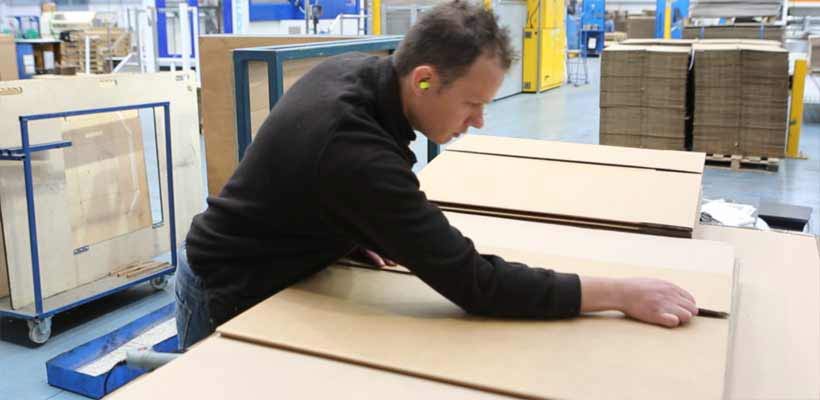
Single-trip packaging, on the other hand, is designed to only make one journey, such as from a factory to an end user, before being disposed of and recycled.
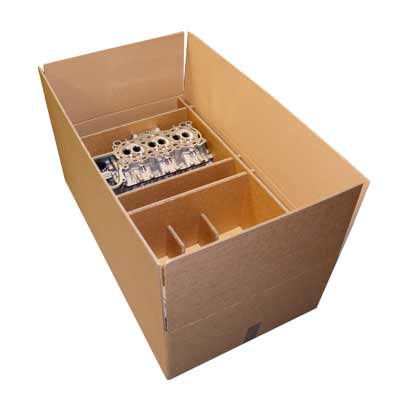
Commonly made from corrugated cardboard, they may also be produced from lightweight plastics, films, and even wood on occasion (pallets being a good example here). Most commonly, however, single-trip packaging will be corrugated boxes.
Opportunistic re-use
Don't get confused with opportunistic re-use
A key point to note is that it is relatively common for packaging intended to be used as a single-trip solution to be repurposed and reused.
Whilst this could be argued to make it reusable packaging, it is technically termed as “opportunistic re-use”. So whilst this packaging will realise some of the benefits of reusable packaging in a more limited scope – such as reduced cost per trip and minimised waste – it is, for this guide, still termed single-trip packaging.

Examples of this in practice include the (surprisingly common) reuse of wooden pallets until they become damaged, or corrugated boxes that have been used to ship specific components, then being reused to ship other products or parts to another point in the supply chain.
Whilst not within the scope of returnable packaging, this does present an opportunity for many organisations that may not be fully ready to commit to a closed-loop reusable set-up.
Where is single-trip and reusable packaging most common?
There are some points where the use of these packaging types overlaps, whilst there are others where one type is more prevalent than the other.
For example, both reusable and single-trip packaging may be used for “inbound” logistics, such as the delivery of raw materials. Service parts or “after-market” logistics also commonly use both types, as evidenced in the automotive parts sector and also with the return of damaged or worn items for refurbishment.
However, single-trip is most commonly used for the shipment of finished goods to end consumers (even if this is via a retail outlet or distribution network), partly due to the marketing opportunity it may provide and the customer burden of returning the pack.
Multi-trip containers and packs are more frequently (although not always) used for in-plant movement of parts and components (e.g., line-side totes and handling containers). They are becoming prevalent in recycling applications as well.
Single-trip packaging
So, why would you choose to use single-trip packaging?
There are several benefits to using single-trip packaging, which is why it remains popular across a wide range of industries and applications.
Firstly, the upfront cost of purchasing the packaging is lower due to its lighter weight and the more cost-effective materials (e.g., corrugated cardboard) it is manufactured from.
The point is further enhanced by the fact that less packaging is also required in the short term, as there is no need for the (potentially) empty return containers that are part of the returnable “loop”.
This not only makes the inventory easier to manage and can even enable a just-in-time stock holding service, but also reduces the need for collaboration (and the investment and effort this requires) across all entities within the supply chain.
A final advantage is that single-trip packaging is also inherently more flexible. If a product changes and a different size is required, once the existing stock is used, a new version can be implemented immediately.
This also means it is easier to design and engineer specific characteristics into your packaging if required.

The main advantage of single-trip packaging, however, is the ongoing costs. Whilst initially cheaper, there comes a point where the cost of constantly purchasing new inventory overtakes the cost of setting up a returnable supply chain.
The environmental impact of single-trip packaging is also higher (even though corrugated cardboard is easily and widely recycled), and the burden of its disposal or recycling falls on the end user.
This can, in certain situations, make it less convenient for those in the supply chain and can also increase the effort required to comply with Packaging Waste Regulations.
Finally, the levels of protection offered by single-trip packaging are usually lower than those of reusable packaging. This is due to corrugated cardboard being more susceptible to moisture and impact. This can, in turn, lead to more items damaged in transit and the associated costs of returns, replacements, and delays.
Single-trip summary
Single-trip packaging advantages and disadvantages
In summary, these are the advantages of using single-trip/disposable packaging:
- Lower initial cost
- Easier to manage
- Suitable for longer distances and dispersed recipients
- No requirement for supply chain collaboration
- Smaller upfront inventory
- Flexibility to changes
And these are the disadvantages to consider before using single-trip packaging:
- Customer disposal
- Ongoing and lifetime costs
- Environmental impact
- Lower levels of protection
- Customer convenience
Returnable packaging
When would using returnable packaging be more appropriate?
Returnable packaging is already well established in some manufacturing industries (being particularly prevalent in the automotive sector/supply chain) for several reasons.
Firstly, the packaging’s “lifetime” costs are lower. Although initially more costly (as higher volumes need to be purchased and the materials used are more durable), their longevity and reusability make them the more cost-effective long-term option.
This can actually provide significant savings over a couple of years, particularly for businesses that use large volumes of standard corrugated cardboard boxes.
As a result of this, many companies now view returnable packaging as a capital investment, whereas single-trip packaging is viewed as a “cost”.
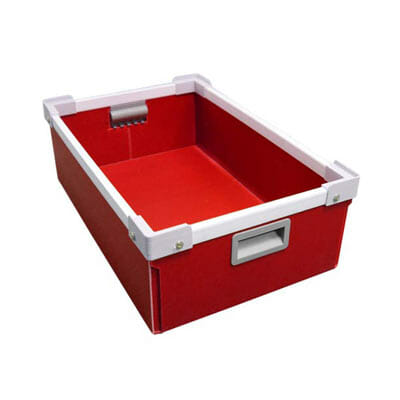
Besides this, the handling of packaging is usually improved – being easier to integrate handles, lids, and even wheels – than in single-trip packaging, where the cost needs to be minimised, which inhibits the inclusion of such features.
In addition to improving handling efficiency, this also enhances the safety of manual handling.
The greater strength of the material used in returnable packaging also means the contents are afforded greater protection during shipping, reducing stock loss and associated costs.
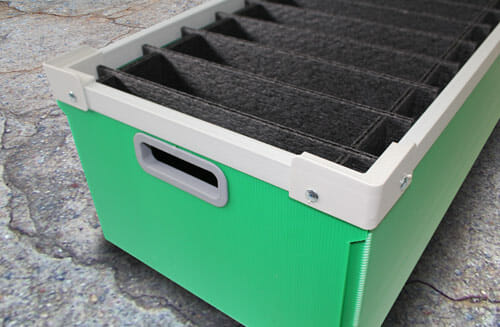
And if the containers are then also used “line-side”, the use of dividers and dunnage options for totes makes retrieval and stock checking the contents much easier than with corrugated packaging.
Finally, the environmental impact is reduced by reducing the amount of packaging that needs to be disposed of or recycled, as well as the energy required to manufacture new packaging continually.

The disadvantages of returnable packaging include a significantly higher up-front cost due to the materials used and the need for additional inventory to ensure sufficient stock across the entire supply chain.
When not in use, the returnable packaging is likely to take up considerably more space than single-trip packaging (which is usually supplied unassembled), leading to higher storage and warehousing costs (at least until most containers are within the supply chain).
Specific systems, however, such as Rapitainer, can be folded flat and therefore returned at relatively low cost, alleviating this issue.
The cost of replacing damaged, lost, or stolen containers is also higher, and can be significant if there is ongoing loss of the packaging.
Finally, they are less flexible to changes in requirements (e.g., new products or components that are different in size), although the use of internal dividers and dunnage can mitigate this.
Returnable packaging summary
Returnable packaging advantages and disadvantages
To summarise, these are the main advantages of opting for a returnable “closed loop” logistical setup:
- Lower lifetime cost
- Capital investment vs expense
- Environmental benefits
- Higher protection and durability
- Improved handling and processes
- No end-user disposal
Whilst the disadvantages when compared to single-trip packaging are as follows:
- Increased upfront volume required
- Requires collaboration in the supply chain
- Less flexible once integrated (dividers mitigate)
- Availability of space required
- Ongoing loss and replacement costs
Making your selection
So, should you choose single-trip or returnable packaging?
The answer to this really depends on the scale and nature of your business.
The larger your manufacturing or distribution grows, the more likely returnable packaging will begin to make economic sense. However, this will involve taking a longer-term, strategic view of your supply chain and ensuring that all other companies and organisations within it can make it work effectively.
It will also require specific conditions to be met, such as a cooperative customer base, transport systems in place that can handle the return and management of transit containers, and delivery locations that are not too dispersed.
Single-trip packaging may always have some place in your packaging requirements, particularly if you supply any products or parts directly to the end consumer. However, utilising reusable packaging as much as possible – both through your supply chain and within your manufacturing facility – will realise cost savings and environmental benefits.
Summary
Still can't decide between single-trip and returnable packaging?
Choosing between single-trip and returnable transit packaging can significantly influence your long-term costs, operational efficiency, and environmental impact.
Ultimately, the right choice depends on your operation’s scale, product flow, customer logistics, and long-term strategy. Many businesses find that a blended approach provides the best balance of cost, efficiency, and sustainability.
As a supplier of both single-trip and returnable packaging for almost 30 years, GWP has the skills, know-how, and manufacturing capabilities to ensure you see the maximum benefit from your packaging processes.
For further information on whether you should use single-trip or returnable packaging containers, and the options available to your business, please don’t hesitate to get in contact with our team of packaging experts, who will be happy to offer your business genuinely impartial advice on what is the best solution for your specific market, product, application, or current situation.
About the author

Ian was Managing Director of GWP Conductive and GWP Correx until his retirement in 2023. He still shares his knowledge and expertise in a consultative role.
Share this article
Further reading

Products in this guide


Get in touch
For full details on how GWP treats your data, please view this Privacy Policy. Your info is not shared with any third party.
Related guides
Setup and manage a reusable packaging system
17 reasons to switch to returnable packaging
Returnable packaging containers – your options
Dividers and other enhancements for totes
Manufacturing productivity (11 tips to improve your performance)
8 overlooked benefits of material handling totes and containers
7 important advantages of automotive returnable packaging
Should you consider using bespoke pallets at your business?
What is Correx®? Everything you could need to know
5 dunnage options and returnable packaging inserts
Expendable packaging: 3 real world cost comparisons with reusable