







Introduction
Why flight-ready technology needs advanced protection
If you are a drone manufacturer developing drone technology, you likely have a clear understanding of UAV technology’s sensitivity and the level of protective drone packaging it requires.
Specialist drones and UAV technology are becoming more compact, more powerful, and more intelligent and ensuring that they remain protected throughout storage, transport, deployment, and maintenance will be a core part of your operational success.
This is where drone packaging comes in. The packaging of specialist drones is a technical solution that protects mission-critical equipment against shock, vibration, moisture, dust, impact, and improper handling. As drone manufacturers continue to grow across the region, understanding how specialist drone packaging protects your advanced UAV technology will give your organisation a competitive advantage.
In this guide, we’ll help you understand what high-performance drone packaging looks like and the advantages and disadvantages of your options when keeping your UAV technology well protected.
Contents
The risks of drone transportation
What are the real threats to your drone technology?
Drones are highly sensitive and expensive equipment, and unlike conventional electronics, they incorporate precision cameras, gimbal systems, GPS modules, and many other sensitive components. Simple backpacks or corrugated cardboard boxes simply won’t do, especially if your operations involve rugged terrain, air transportation, or overseas shipping.
It is essential that you consider each element of your drone technology. For example, the gimbal systems that are balanced to fractions of a degree, the GPS modules that are sensitive to any interference, or the batteries that require careful handling and compliance with regulations such as UN3480 and UN3481.
When these fragile components are rattled, compressed, or exposed to moisture, damage may not be immediately apparent; it may not become apparent until mid-operation, when reliability matters most.

Context also matters; for example, a drone moved between storage locations requires different protection than one being shipped overseas, and drones heading to the desert have very different packaging requirements than those deployed in coastal or sub-zero environments.
First, you should have a clear overview of your UAV packaging options and identify the best options for your business.
Aluminium cases
Strength, stability, and long-term resilience
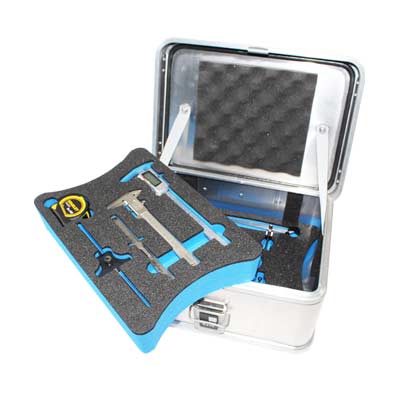
Aluminium cases are often a great choice when structural protection is a non-negotiable. They are rigid yet relatively lightweight and provide a secure outer shell that protects UAV technology from crushing forces, repeated impacts, or improper handling.
One of the advantages of aluminium cases is their stability across temperature extremes. Rapid temperature fluctuations have little effect on the performance or shape of these cases, making them particularly well-suited for drones operating across a variety of climates.
There is also inherent resistance to static electricity, an often-overlooked yet important benefit when transporting sensitive electronics.
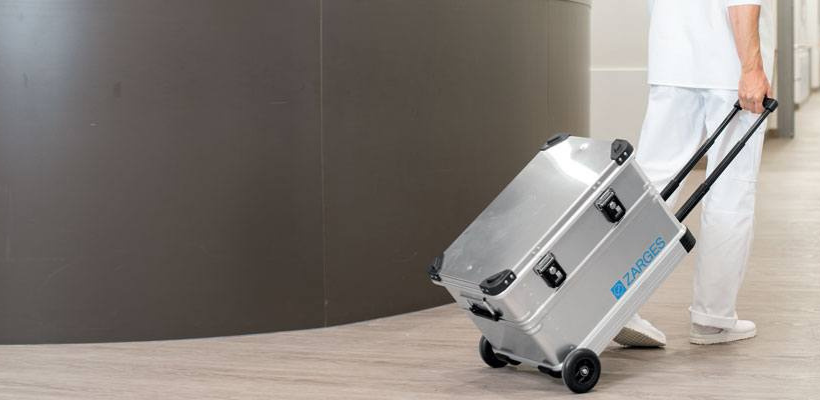
However, aluminium cases aren’t without their compromises. While lighter than many comparable-strength alternatives, they are still heavier than polymer-based options.
If you are moving equipment frequently and by hand, weight is an essential consideration. Aluminium also relies on effective seals for environmental protection; without them, moisture resistance is limited.
When used correctly, aluminium cases become long-term assets and often outlast the UAVs they protect, making them a reliable foundation for professional drone operations.
Protective cases
Environmental control in unpredictable conditions
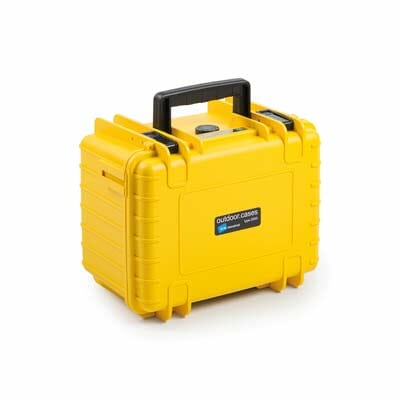
In many situations, exposure to the elements is unavoidable, and waterproof cases perform best. They are designed with precision-moulded shells, integrated gaskets, and secure closure systems, creating a sealed environment that prevents water, dust, and fine particles from entering.
For UAV technology that is deployed in outdoor, coastal, agricultural, or industrial settings, this level of protection is often essential. Rain, spray, mud, and airborne debris can compromise the cameras, sensors, and internal electronics if they are allowed inside during transportation or storage. Waterproof cases remove that risk almost entirely.
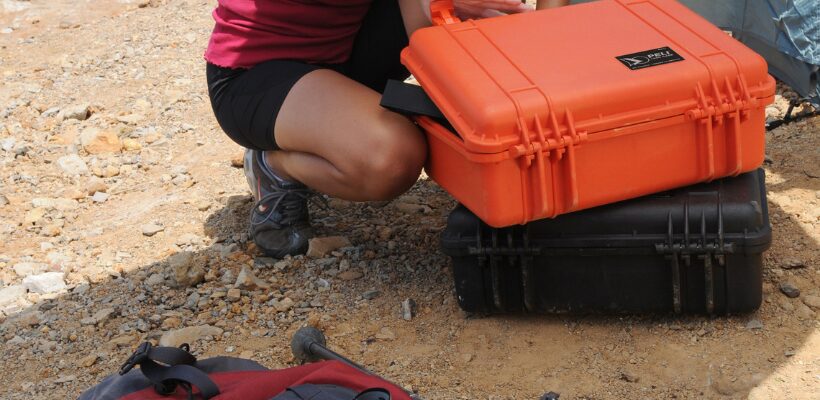
These cases also perform well during air transportation, with pressure-equalisation valves managing altitude changes without breaking the seal, protecting both the case and its contents.
Unfortunately, waterproof cases can be bulkier than aluminium alternatives, and robust sealing systems do add weight. Access may also be slightly slower, particularly when multiple latches or locks are used, and in fast-paced environments that may affect how the case is configured or deployed.
Polyethylene foam inserts
Firm control for heavier drone components
Polyethylene foam is a foam that excels in holding shape. As a closed-cell foam, it is firm and dense, with excellent durability, making it well-suited for medium- and heavy-duty items that are fragile and of high value.
Over time, it resists compression set, meaning it continues to support your drone consistently even after years of use. It also remains chemically inert, so it won’t react with electronics, batteries, or finishes.
As polyethylene foam is firmer than most other foam types, it is particularly effective for securing the main body of a drone, the battery packs, and its structural components. It keeps everything exactly where it needs to be, even during repeated transportation cycles.
However, its downfall is sensitivity. On its own, polyethylene foam can be too firm for delicate optics or finely balanced gimbals, and without careful design or layering, it may transmit higher-frequency vibration rather than absorbing it. That’s why it’s often used alongside softer materials.
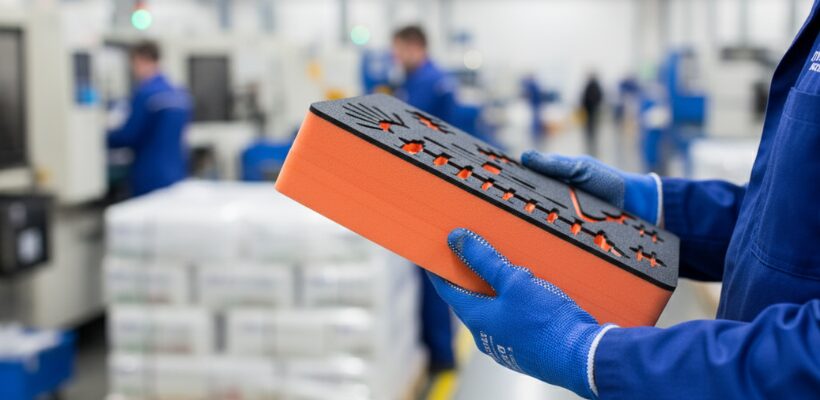
Types of polyethylene foam include:
Polyurethane foam inserts
Vibration control for sensitive technology
Polyurethane foam brings several advantages to drone packaging: it is softer and more elastic, and it is highly effective at absorbing vibration. It is ideal for protecting sensitive payloads like cameras, sensors, and stabilised gimbal systems.
Its ability to dampen continuous vibration makes polyurethane foam especially valuable during long road journeys or air freight, where low-level movement can gradually affect calibration and alignment. To effectively cushion your technology without allowing movement, you must specify the foam density you choose.
That softness, however, can also be a weakness and over time, polyurethane foam can fatigue and lose some of its resilience. In high-use environments, it might require replacement sooner than polyethylene. It’s also less moisture-resistant unless it’s carefully protected by the outer case.
For that reason, polyurethane foam performs best when it’s used selectively, supporting the most sensitive elements of your technology rather than forming the entire interior structure.
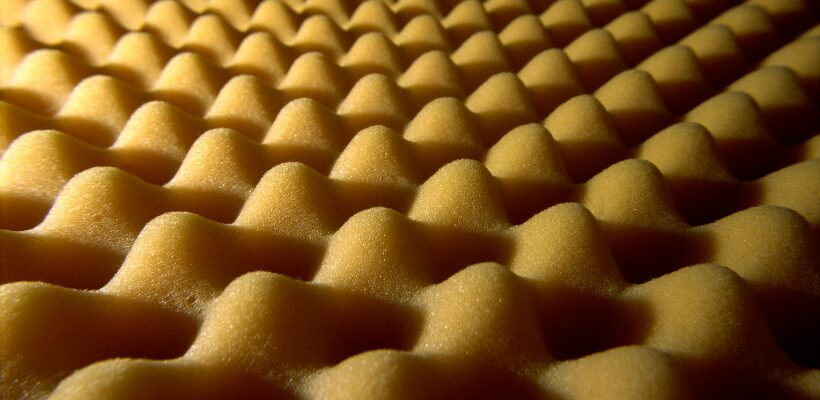
Types of polyurethane foam include:
Combining materials for complete protection
Why layered solutions outperform single-material designs
The most effective drone packaging rarely relies on any single material; instead, it combines the strengths of each into a layered packaging system.
An aluminium or waterproof outer case absorbs any external forces and environmental exposure. Polyethylene foam provides structural stability and positional control, and polyurethane foam cushions sensitive components from vibration and shock. Each material compensates for the other’s limitations.
Opting for a layered approach allows your packaging to evolve. Foam layouts can be redesigned as technology evolves, and accessories can be added without compromising protection.
Summary
Protection that preserves performance
Choosing the right packaging for your UAV technology directly affects performance, lifespan, and reliability. Aluminium and waterproof cases provide the structural strength and environmental security your drone needs, while polyethylene and polyurethane foam inserts absorb shock, vibration, and movement, keeping every component in place and ready for action.
Investing in the right combination of materials ensures your drone arrives safely every time, regardless of conditions or environment.
For tailored solutions that meet your specific requirements, contact our team of packaging experts to learn how custom protective packaging can protect your advanced drone technology.
About the author

Kalon has strong knowledge and experience of timber, heavy duty and composite packaging, and holds an MPAS certification.
Important note
Due to the sensitive and regulated nature of the topic this guide addresses (drone packaging) we have taken extra steps to ensure its accuracy and reliability. You can find out more in our content policy.
All information is, to the best of our knowledge, accurate, and correct at the time of publication. Please also note that, as all scenarios vary, not all information contained in this guide may apply to your specific application. There may also be specific regulations or laws, not covered within this particular guide, that apply. Please view the list of packaging regulations for further details.
Share this article
Further reading

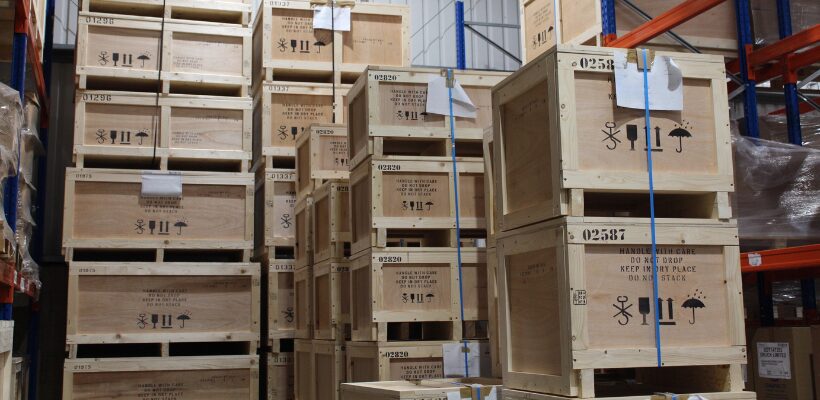
Products in this guide


Get in touch
For full details on how GWP treats your data, please view this Privacy Policy. Your info is not shared with any third party.
Related guides
13 surprising advantages of aluminium cases and containers
Shipping cases: 5 options for safe transit of your goods
Peli vs Storm cases – a detailed analysis of their differences
What is ATA 300 packaging? General requirements and specifications
Best equipment cases: choosing a waterproof protector case
Export packing lists – 10 crucial details to include in 2026
Export packing guide – 7 considerations for international shipping
Transit cases – how to decide which is right for you
Shipping cases: 5 options for safe transit of your goods
Equipment damage: 8 causes of products breaking in transit
7 tips for shipping high-value equipment, tools, and parts
Returnable packaging containers: options and applications
Foam conversion – what is it, and how it benefits your business