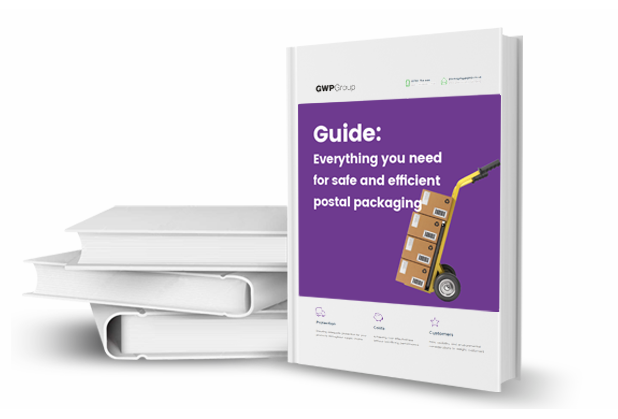







Understanding the importance of your postal packaging process
Optimising your packaging process
Are you finding your packaging process too clunky? Are avoidable errors a frequent occurrence?
Whether you ship just a few orders a week or manage a high-volume operation, streamlining your packaging process will save time and costs while keeping your customers happy.
A good postal packaging process involves selecting appropriate packaging, training your team and assessing your packaging workflow for problems or bottlenecks. Reducing waste and measuring your success is also vital.
This guide details practical strategies for controlling your packaging process with just a few innovative changes. It enables you to create a fast and cost-effective business without compromising quality.
Contents
Introduction
Cut costs without compromising on quality
Picking and packing items can account for up to 55% of your operating costs, so it is natural that you would want to decrease those costs. You can do that by streamlining your postal packaging process and making it as efficient as possible.
Studies show that 79% of consumers won’t return if they have a bad experience, like parcels arriving damaged. So, you must have a transparent and efficient postal packaging process outline for yourself and your team to follow.
How can you streamline your packaging process?
Your checklist for an efficient packaging process
The six key things you should be considering when looking to streamline your postal packaging process are:
- Choose the right materials for your packaging.
- Optimise your packaging workflow.
- Leverage automation throughout your process.
- Reduce your packaging waste.
- Train your team efficiently.
- Measure success throughout.
Choosing the right packaging for efficiency
Simplify your packaging without compromising on protection
Choosing the proper postal packaging for your products is crucial to ensuring that your packaging and shipping processes are fast and cost-effective.
The postal packaging supplies you choose will impact everything from how quickly orders are packed and the shipping costs to how satisfied your customers will be.
For example, choosing too bulky packaging for your less fragile products will result in unnecessarily high shipping costs, and picking too small packaging can damage your products during shipping.
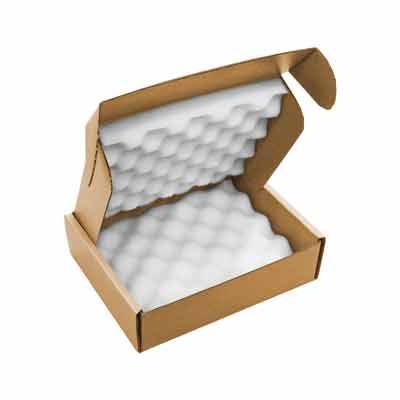
The type of packaging you choose should match the nature of your products. For example, fragile items may require padded envelopes or sturdy cardboard boxes, while less fragile products may only require lightweight mailer bags.
If you ship various products in varying sizes and shapes, stocking multiple packaging types and sizes is the best way to maintain an efficient postal packaging process.
Optimising your packaging workflow
Essential tools and materials for a faster packing process
One of the first steps in this process is to examine the workspace in which your team is working.
Organise the workspace with clearly labelled bins or shelves for packing materials. This will make everything easily accessible, minimising unnecessary movement, and allow your team to focus on packing rather than searching for the necessary supplies.

Investing in the right tools for your staff is another way to improve your packaging processes.
For example, a high-quality tape dispenser could significantly speed up the packing times, or pre-printed labels could enhance productivity by eliminating the need for manual address input each time.
Focusing on having the right tools and materials can create an efficient and cost-effective packaging process that meets consumer demands while maintaining quality control.
Utilising automation
The benefits of barcode scanning and automated labelling
Leveraging automation can benefit steps throughout your packaging process. It can reduce human error and accelerate order fulfilment, freeing your team’s time to focus on more significant tasks.
For example, barcode scanning and automated labelling systems are valuable technologies to invest in that could simplify operations and improve accuracy.

Barcode scanning
Barcode scanners connect to your inventory management system and track stock levels in real time, minimising the risk of overstocking or running out of products.
They are a simple and effective way to semi-automate your order-picking process by quickly verifying the contents of each order as it is being packed. This helps ensure the correct items are placed in each package, reducing human error.
Automated labelling system
Automated labelling systems enable you to generate and print shipping labels quickly, reducing the risk of errors when manually entering addresses.
You can integrate automated labelling systems with your inventory and order management software, meaning labels can be generated automatically as orders are processed. This saves you time and ensures that every package is labelled correctly, which can help improve your packing and delivery times.
Training and empowering your team
Why employee training is key to efficiency
Training your team thoroughly on the entire packaging process is essential, arming them with the confidence to perform their roles effectively and understanding their role within the process will enhance overall morale and empower employees to feel confident in their skills and take pride in their work.

You should ensure that your team understands how their role fits into the bigger picture and provides them with the best tools, materials, and technology to ensure the packaging process runs efficiently.
Training will also promote consistency across your team and your packaging process. This speeds up workflows and enhances the overall quality of your service, resulting in fewer customer complaints and returns.
Measuring success and continuous improvement
Scaling your packaging performance as your business grows
As your business grows, so will the demand, which will put pressure on your packaging process. You must maintain flexibility to accommodate your business’s growth and measure success while implementing continuous improvement strategies.
Start by identifying the right KPIs for your process. These metrics will enable you to monitor your performance and highlight areas for improvement.
Common KPIs might include:
- Packing time per order.
- Packing error rates.
- Packaging material usage.
- Shipping costs.
- Customer feedback related to packaging.
Scaling your performance doesn’t mean adding more resources; it’s making smarter, data-driven decisions.
As you grow, you should prioritise evaluating your packaging performance, invest in the right technologies, and continuously refine your processes. You can ensure your process evolves with your business with the right metrics.
Summary
Your roadmap to an efficient packaging process
Optimising your postal packaging process is essential for your business to stay competitive, reduce costs, and improve overall customer satisfaction.
At GWP, we specialise in providing tailored packaging solutions, optimising efficiency and sustainability. Whether you need expert advice on selecting the right materials, implementing automation, or streamlining your packaging workflow, our team is here to help.
Contact us today to see how we can help you achieve a more efficient and scalable postal packaging process.
Share this article
Further reading


About the author

David joined GWP Packaging in 1995. His extensive knowledge and experience of corrugated packaging means he is widely regarded as an expert on this topic.
Products in this guide



Get in touch
For full details on how GWP treats your data, please view this Privacy Policy. Your info is not shared with any third party.
Related guides
Unboxing trends and how consumers view eCommerce packaging
Sustainable postal packaging – 6 options for your business
What is the packaging extended producer responsibility (EPR)?
11 branding ideas for printed eCommerce boxes and packaging
A beginners guide to the Plastic Packaging Tax
Recycling symbols on packaging (+ free downloads)
Postal packaging supplies – pros and cons explained
5 key considerations for postal packaging success