






Defining sustainable packaging
Understanding sustainability and how it impacts your organisation
If you find yourself asking, “What is sustainable packaging?” you are not alone. As an average consumer in the Western world, you’ll likely handle more than 50 packaged items every day. With packaging being so prevalent in everyday life, it is one of the main factors in making everyone more aware of their ecological footprint.
But what exactly is sustainable packaging?
Sustainable packaging minimises environmental impact whilst maintaining its functional requirement. It can take the form of recyclable or reusable packs or involve reducing material and resource use. All forms of packaging – used to present, protect, ship, or store products – can be sustainable if designed correctly.
Packaging, of course, plays a crucial role in modern life, and as a responsible packaging supplier, GWP aims to present you with the facts and an honest, balanced point of view in this guide and its related articles.
This open and unbiased approach allows you to make an informed decision on the most suitable eco-friendly packaging option for your business, your customers, and the wider environment.
Contents
Introduction
A growing focus on packaging
Although Blue Planet and its focus on ocean pollution were arguably the most significant catalysts, it has long been common for the packaging and the wider industry to receive bad press.
Non-recyclable materials, too much single-use plastic, excessive use of materials and resources, landfill, harm to marine and other environments, the list goes on and on.
These issues are why there is now such a focus on – and drive towards – sustainable packaging.

Sustainable packaging definition
But what makes packaging sustainable? Are the claims of global brands, packaging manufacturers and environmental campaigners (which often contradict each other) actually authentic?
Before highlighting the types of sustainable packaging that may apply to your business and operations, it is essential first to identify precisely what is meant by sustainable packaging.
“Sustainable packaging is the development and use of packaging which results in improved sustainability. This involves increased use of lifecycle inventory (LCI) and life cycle assessment to help guide the use of packaging, which reduces the environmental impact and ecological footprint.” (source: Wikipedia).
The key point to take away from this summary is “packaging which reduces the environmental impact and ecological footprint”.
To consider this involves looking at the bigger picture, effectively the entire lifecycle of your packaging. Factors include use in the supply chain, basic function, marketing, usefulness to consumers and what happens at the end of the packaging’s life.
Another definition addresses the three common pillars of sustainability: Social (people), Environmental (planet), and Economic (profit).
Effectively, “sustainable packaging must meet the functional and economic needs of the present without compromising the ability of future generations to meet their own needs”.
Background and history
Why and how the impact of packaging became important
It is possible to trace sustainability in packaging back to the environmental movement of the 1970s. However, at this stage, the focus was on pollution and littering (including the iconic crying Indian anti-litter commercial produced as part of the “Keep America Beautiful” campaign).
Packaging, however, became a more specific focus in the 1980s when the “Garbage Barge” became a media sensation, with Long Island residents’ waste being rejected at several landfill sites before being incinerated.
The saga raised awareness of how much waste the average person produced and how large a proportion of it was packaging.
There was, in turn, a sustained effort to reduce and minimise waste volume. Achieved partly through increasing the recycling rates of used packaging, it also led to the establishment of an economically viable infrastructure for various packaging materials. Such improvements, however, remain a work in progress even today.
The beginnings of sustainable packaging
The term “sustainability” was only adopted by the packaging industry as late as 2006.
Coined by Andrew Savitz after the publication of “The Triple Bottom Line: How Today’s Best-Run Companies are Achieving Economic, Social, and Environmental Success – and How You Can Too”, the book details the move towards sustainability within businesses. The book also covers how and why you should increasingly view financial success as going hand in hand with social and environmental achievement.
This broader viewpoint builds on the previous environmental-only outlook, including economic and social criteria, ethical sourcing of material and even manufacturing conditions.
As a result, sustainable packaging is no longer just about recycling. Packaging is frequently scrutinised and used to measure a business’s overall sustainability. It remains true even though packaging typically contributes only a small share of the environmental impact of other activities, such as transportation, water and energy use.
So whilst looking at the lifecycle of packaging – from raw materials through disposal – has become more commonplace over the last decade, much of the focus remains on end-of-life.
Types of sustainable packaging
Different types of sustainability
But what does it all really mean?
Well, sustainability can mean different things to different people. To many, the common forms of sustainability (or at least those recognised by consumers) are recyclable, compostable, or biodegradable packaging.
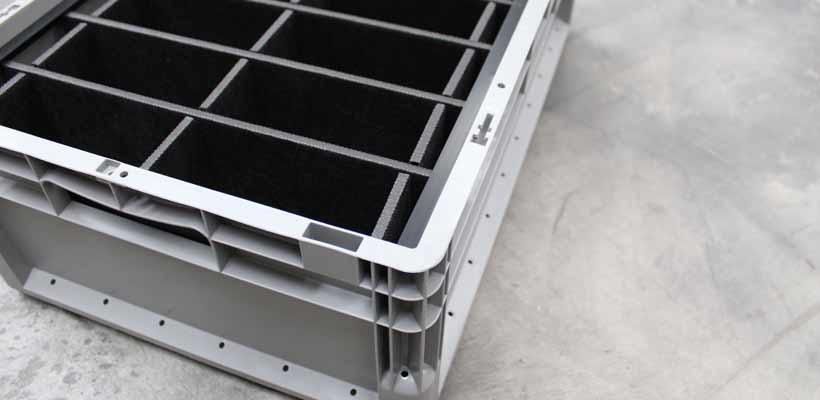
These are all valid forms of sustainable packaging, but it is also possible to justify using returnable and reusable packaging – primarily made from plastics – as sustainable.
There are other strategies to consider, for example, the reuse of packaging can minimise the overall volume of raw materials required. Minimising damage – and the environmental impact of remanufacturing and damaged products going to landfill – can also significantly improve overall sustainability. Even redesigning packaging to reduce bulk/volume and weight can reduce carbon emissions from increased transit.
Ultimately, there are numerous ways packaging can be made more sustainable by substantially reducing environmental impact and the overall ecological footprint.
What type of packaging is environmentally friendly?
Various definitions of sustainable packaging are readily available, but there is still widespread misunderstanding and myths about what makes packaging environmentally friendly.
As such, the Sustainable Packaging Coalition (SPC) has spent considerable time and resources outlining its proposal for what constitutes environmentally friendly packaging.
The results of their work suggest that sustainable, eco-friendly packaging should adhere to the following points:
- Packaging is beneficial, safe and healthy for individuals and communities throughout its lifecycle.
- The packaging meets market criteria for both performance and cost.
- It is sourced, manufactured, transported, and recycled using renewable energy.
- It incorporates and optimises (where possible) renewable or recycled source materials.
- The packaging is manufactured using clean production technologies and best practices (e.g., ISO).
- It is made from materials that are healthy in all possible end-of-life scenarios.
- It can be effectively recovered and utilised in biological or industrial closed-loop cycles.
- Has a physical design that optimises the use of materials and energy.
Consumer behaviour
Increased demand for packaging sustainability
Another driver of increased sustainability in the packaging industry is shifting consumer habits and demands.
Many businesses’ “environmental credentials” are often little more than a marketing tactic (part of the reason there are so many different recycling symbols on packaging). However, several research findings show the impact this can have on sales and brand perception.
Regardless of how sustainable a pack really is, there is strong evidence to support a general shift in consumer behaviour and demand for sustainable packaging.
Statistics: Consumers and sustainable packaging
Statistics regarding consumer preferences and sustainable packaging include:
- 51% of Millennials will check packaging for sustainability claims before purchasing.
- 60% of consumers are likely to be influenced by environmentally friendly packaging.
- 82% of consumers are willing to pay more for sustainable packaging.
- 51% of consumers have avoided particular products or brands for environmental reasons.
- 71% of consumers are actively choosing products for sustainability reasons.

Business advantages
Tangible business benefits of using sustainable packaging
Considering these figures, if your business takes a proactive stance on moving to sustainable packaging, it can give you a competitive advantage and open potential new target consumers and markets.
For many businesses, becoming truly sustainable makes economic and environmental sense.
However, even knowing the options available to your business, there may still be some inertia regarding switching to genuinely sustainable packaging. Common fears surround performance, costs, availability, and compatibility with existing processes and systems.
Despite these challenges, switching to sustainable packaging offers significant benefits.
Summary of business advantages
The main business advantages of using sustainable packaging are:
- Improved brand and consumer perception, creating potential for increased sales.
- Opportunity for unique brand positioning in specific markets.
- Potential for increased sales amongst certain demographics.
- Enhanced customer satisfaction through more straightforward disposal and recycling of packaging.
- Cost reductions through minimised material usage.
- Reduced costs through increased lifespan and longevity (e.g., returnable containers in the supply chain).
- Reducing your organisation’s carbon footprint.
- Potential reduction in transit costs through minimised materials and volume.
- Possible savings in storage and warehouse requirements (dependent on materials used).
Summary
Understanding what sustainable packaging is
Whilst sustainability can mean different things to different businesses, it is crucial to consider the bigger picture.
Ensuring that your packaging minimises environmental harm, is not resource-intensive, and maintains functional and economic performance can significantly benefit your business.
If you require assistance sourcing the most sustainable packaging for your products, industry, application, or business, GWP can help. We are a sustainable packaging company with more than 30 years of experience designing and manufacturing inherently sustainable packaging. Please get in touch with our team of packaging experts to find out more.
About the author

David is responsible for driving improvements in sustainability at GWP and the wider Macfarlane Group, having previously performed a similar role for Zero Waste Scotland.
Important note
Due to the sensitive and regulated nature of the topic this guide addresses (eco-friendly packaging), we have taken extra steps to ensure its accuracy and reliability. You can find out more in our content policy.
All information is, to the best of our knowledge, accurate and correct at the time of publication. Please also note that, as all scenarios vary, not all information contained in this guide may apply to your specific application. There may also be specific regulations or laws not covered in this guide that apply. Please view the list of sustainable packaging regulations for further information.
Share this article
Further reading

Featured products


Get in touch
For full details on how GWP treats your data, please view this Privacy Policy. Your info is not shared with any third party.
Related guides
What is the packaging Extended Producer Responsibility (EPR)?
EPR reporting – what packaging data does the new scheme require?
Recycling codes and resin identification symbols (for packaging)
PAP 20 logo – what is it, and should you be using it on your packaging?
Packaging Waste Regulations quick guide (2023 update)
A beginners guide to the Plastic Packaging Tax
Recycling symbols on packaging – explanation and free icon downloads
Recycling Assessment Methodology: What it means for your business
5 ways to avoid or reduce the impact of the tax on plastic packaging
Corrugated board grades explained: types of cardboard
Packaging terminology: A glossary of terms and conditions
Polystyrene alternatives: should you be using them?