








Sustainable packaging for ecommerce
Largest UK packaging/unboxing survey highlights consumers' expectations in 2026
Regardless of the products you sell online, many of your customers likely expect you to use sustainable ecommerce packaging.
Sustainable ecommerce packaging is made using materials that are recyclable or biodegradable. It uses materials which have significantly less environmental impact. The most common type of sustainable ecommerce packaging is cardboard boxes.
An analysis, the Unboxing Survey by Macfarlane Packaging, has revealed several insights into how consumers view ecommerce packaging. This guide details their expectations regarding sustainability, as well as brand loyalty, packaging usability, and overall satisfaction.

Contents
Introduction
Ecommerce in the UK
After years of continual growth and a huge boom during the COVID-19 lockdowns, the UK ecommerce market saw a 4.7% year-on-year decline to April 2024.
Various factors led to this drop. A changing political landscape, economic uncertainty, and ongoing inflationary pressures have all made UK consumers more cautious and price conscious.
Against this backdrop, online retailers and traditional brick-and-mortar stores are being challenged to significantly improve the sustainability of their business whilst still providing value for money.
The unboxing survey
The Macfarlane Packaging Unboxing Survey, the largest of its kind in the UK, is now in its ninth year.
It asks consumers a range of questions about their packaging. The survey covers usability, branding, overall experience and, increasingly, how sustainable they believe the packaging they receive is.
Over 70 per cent of the results are for the packaging used by fashion, health and beauty, home and garden, and food and drink businesses. Collectively, these are known as the big four ecommerce sectors.
The survey revealed several potentially important insights for any business considering the sustainability of its ecommerce packaging.

Types of packaging
What ecommerce packaging is most common?
In the UK, the majority of ecommerce orders are delivered in one of two types of packaging:
- 62% of items arrive in corrugated packaging (cardboard boxes).
- 23% of orders arrive in a plastic mailing bag.
Besides the popularity of these two forms of packaging, 6% of orders are delivered using cardboard envelopes, 4% in padded or bubble-lined envelopes, 3% in paper mailing bags, and 2% in other types of packaging.
Corrugated packaging
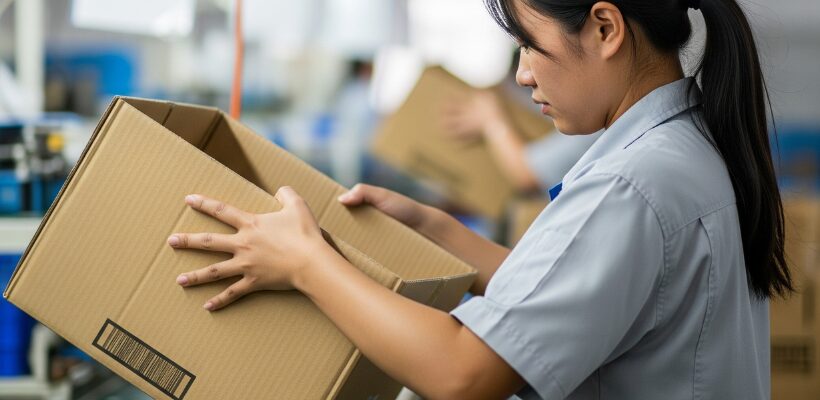
Corrugated packaging, and in particular cardboard e-commerce boxes, remain so popular for a number of reasons. They provide excellent performance in transit, are easy to assemble and pack, can feature branding, and are perceived as sustainable.
This final point is crucial for many e-commerce retailers. One in five consumers indicated they would boycott sellers that use unsustainable packaging. Cardboard is also easy for end users to recycle.
Poly mailers
Although the perception of plastic is typically negative, many retailers argue that the reduced weight and volumetric size can actually make poly mailers and similar products more sustainable. This is because they reduce emissions caused by transport. However, until flexible plastics become recyclable in kerbside collections, much of this packaging will end up in landfills.

Packaging sustainability
Consumers expectations of packaging sustainability
There are several statistics on how UK consumers view the sustainability of the ecommerce packaging they receive, including:
- 76% believe the online retailers they buy from use eco-friendly packaging.
- 21% indicate they would boycott a retailer who doesn’t use sustainable packaging.
- Gen Z shoppers are nearly three times more likely than Boomers to abandon a brand for poor sustainability performance.
- 73% would not pay more for sustainable packaging.
- Those who would pay extra for sustainable packaging expect to pay at most 5% extra for this.
- 56% say the packaging they receive does not include a clear recycling label or instructions.
Perception of ecommerce packaging
It is interesting that the number of consumers who believe the packaging they receive – 73% – is similar to the number of orders received in corrugated cardboard or paper-based ecommerce packaging.
This is good news for online sellers using these types of packaging, especially since 21% indicated they would no longer buy from retailers using non-sustainable packaging.
There also appears to be a generational shift, with younger shoppers placing significantly more importance on a business’ sustainability than older consumers.
These figures highlight the importance of understanding what matters to your target customers and ensuring your packaging matches their expectations. Failing to do this could result in your business losing a significant number of potential customers.
The cost of sustainable packaging
However, despite consumers indicating that sustainable packaging is important to them, they do not feel that they should pay the cost of this.
Nearly three-quarters of respondents would not pay more for eco-friendly packaging, and those who suggested they would are unwilling to pay more than five per cent extra.
These figures make it clear that consumers see sustainability as the responsibility of brands and businesses. This may lead to difficult choices for retailers already experiencing a drop in sales, increasing staff costs and overheads, and squeezed margins. Passing on costs to price-conscious consumers does not appear to be an option.
Recycling symbols on ecommerce packaging
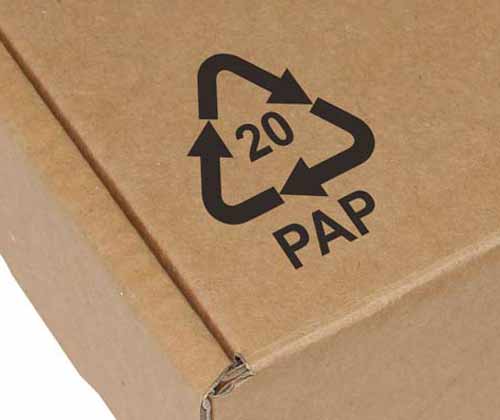
Finally, many businesses are missing a trick by not including recycling logos on their packaging.
Including appropriate symbols and instructions not only helps consumers recycle packaging correctly but also conveys positive messages about a brand’s sustainability.

Delivery
What are consumers' preferred delivery options?
Key statistics on consumers’ shipping preferences for ecommerce orders include:
- 93% of UK online shoppers prefer home delivery.
- 7% prefer click-and-collect to home delivery.
- Of those who choose to click and collect, 78% do so because of cost.
- 89% said they’d be willing to return packaging for reuse.
- 61% wouldn’t pay to return the packaging.
Convenience and cost over sustainability?
The figures regarding UK consumers’ shipping preferences appear to reveal that convenience and cost are more important factors than sustainability.
Home deliveries show that, for the most part, consumers still value the convenience of online shopping. This has seen little decline, even with many people returning to the office post-COVID-19.
The majority of those using click-and-collect options do so for cost, which is perhaps a missed opportunity. As there are often existing deliveries that combine shipments of many orders, click-and-collect orders can reduce transport emissions. This is, however, negated if consumers then drive to the collection points. The answer could be increased use of delivery lockers or a wider range of collection points to minimise consumer travel.

Reusable ecommerce packaging
As with sustainable packaging in general, consumers appear to like the idea of returnable packaging (and its sustainability benefits), but only if retailers pick up the cost. Considering the preference for convenience, it is likely that, in practice, consumers waiting in for collections of used packaging or taking it to collection points would also impact the adoption of this.
Damage
Is packaging performing its primary function?
It appears that online sellers have largely solved the issue of goods arriving damaged. Only 3% of consumers indicated that they received orders that had been damaged in transit, the lowest level in the nine years of the survey.
This itself has a positive impact on sustainability, reducing transport emissions from return transit and the potential for damaged goods to end up in landfills.
Usability
Inclusive packaging
Taking a broader view of sustainability, it is vital for businesses to consider inclusivity when creating their ecommerce packaging. However, it appears that retailers have been making strides in this area, too.
When questioned on the usability of their packaging, it was reported that:
- 95% of consumers found their packaging easy to open.
- However, less than 7% had any other features that made it accessible.
- 58% of parcels arrive with branding.
- 56% said branded packaging would encourage them to buy again.

Customer-friendly packaging
The figures showing that nearly all consumers found the ecommerce packaging they received easy to open suggest that businesses are taking the unboxing experience seriously.
This is further reinforced by the statistic that almost 60% of packaging now features branding. This makes even more sense, considering over half of shoppers indicated that branded packaging would help them remain loyal to the brand. However, it does mean that the 42% of orders shipped in unbranded packaging are missing a real opportunity.
The only negative is the lack of accessibility features on packs. With 24% of people in the UK having a registered disability and 19% being over 65, features such as large print, braille, and high-contrast print could improve usability for a significant number of potential customers.

Overall satisfaction
Are consumers with the ecommerce packaging they receive?
In the UK, the satisfaction rates for ecommerce packaging are:
- 79% of consumers reported satisfaction with their unboxing experience.
- 5% of customers were ‘very dissatisfied’ with the packaging they received.
Keeping customers happy
The overall picture is that most UK consumers are happy with the ecommerce packaging they receive. This obviously incorporates all considerations, including ease of use, unboxing experience, costs (of delivery) and sustainability.
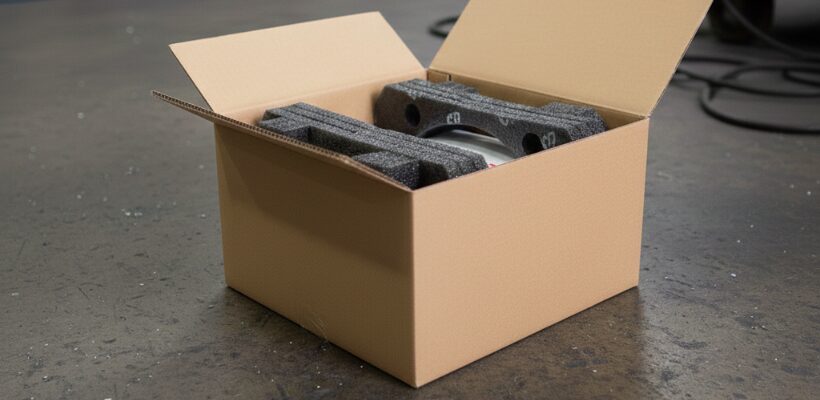
One in twenty who are very dissatisfied cite products arriving damaged, overuse of plastic, oversized and excessive packaging, and couriers leaving water-sensitive items outside. These are all problems that businesses could overcome through suitable packaging.
Summary
Consumers’ desire for sustainable ecommerce packaging
The unboxing survey shows that while online sellers have made significant improvements to their packaging over the past decade, businesses could still make improvements in some areas
Arguably the most significant of these is the consumer desire for more eco-friendly packaging, although only if the costs of this reside with the retailer.
If you believe that moving to more sustainable e-commerce packaging could benefit your business, GWP can help. We have been supplying eco-friendly packaging solutions for over 35 years and have an experienced design team that has won awards for their work in sustainability. Please get in touch to find out more.
Share this article
Further reading


About the author

David joined GWP Packaging in 1995. His extensive knowledge and experience of corrugated packaging means he is widely regarded as an expert on this topic.
Products in this guide




Get in touch
For full details on how GWP treats your data, please view this Privacy Policy. Your info is not shared with any third party.
Related guides
9-step guide for successful packaging for subscription businesses
Flower boxes – a guide for sourcing florist packaging for eCommerces
Printed eCommerce boxes: Unique branding ideas
7 facts on the importance of eCommerce packaging
Unboxing trends, and how consumers view eCommerce packaging
eCommerce statistics: 200+ online shopping, delivery, and packaging facts / figures
Printed cardboard packaging – your options
Analysis: Stock vs. custom ecommerce packaging
Corrugated board grades explained: types of cardboard
eCommerce unboxing experience: best practice