








Introduction
A comprehensive guide to new regulations
Do you sell, manufacture, or ship products with packaging into EU countries?
The EU Packaging and Packaging Waste Regulations (PPWR) will then affect you.
These regulations are changing how packaging works in Europe, covering every step of the process, from design and materials to reuse, recycling, and labelling.
The EU Packaging and Packaging Waste Regulations aim to reduce packaging waste, promote reusability, and mitigate environmental harm. The method behind this is detailed and strict, unlike previous rules that allowed each country to interpret things in their own way.
These regulations now apply uniformly across the EU, so the choices you make today can affect compliance across multiple countries.
In this guide, we’ll walk you through the key points of the EU Packaging and Packaging Waste Regulations, including who is responsible, which packaging is within scope, the restrictions in place, and how recyclability, reusability, and labelling fit together.
Contents
What are the EU Packaging Waste Regulations?
Streamlining EU rules and regulations
The EU Packaging and Packaging Waste Regulations replace older and more fragmented legislation with a single EU-wide framework.
Its purpose is straightforward, but ambitious:
- Minimising packaging waste.
- Improve waste recycling outcomes.
- Encouraging the use of reusable and refillable packaging.
- Reduce the environmental footprint.
It differs from other regulations, which all apply directly across all Member States, leaving less room for grey areas or speculation among businesses. This means that materials, formats, empty space, recycled content, and even how packaging is explained to consumers are all covered.
These regulations and their obligations will also apply to UK-based companies that sell into the EU market.

Who is responsible?
The EU Packaging and Packaging Waste Regulations set out clear roles that define responsibility when packaging is placed on the EU market. While the roles are straightforward on paper, in practice, a single business can assume multiple roles depending on its operating model.
- Producers*
- Manufacturers
- Importers
- Distributors
- Suppliers
*Producers fall under Extended Producer Responsibility. This means they must register with the relevant national body, pay Extended Producer Responsibility fees in every Member State they place packaging on the market, and finance the collection, sorting, and recycling or recovery of the packaging waste.
If you are the first to place packaging on the EU market, you are likely considered to be a producer in that country.
EU Declaration of Conformity
Under the EU Packaging Waste Regulations, a “Declaration of Conformity” is a formal, legally binding document. It confirms that a specific type of packaging complies with the regulation’s requirements on design, recyclability, minimisation, reuse, and other sustainability criteria.
This responsibility sits with the “manufacturer”, meaning the business that first places the packaging on the EU market.
From 12 August 2026, no packaging can be legally placed on the EU market without a valid EU Declaration of Conformity for that type of packaging.
Find out what you should include in your declaration of conformity here.
Packaging types
What packaging types are in scope?
Almost all packaging is included within the scope of the EU Packaging Waste Regulations.
- Primary packaging: Packaging that comes into direct contact with the product and reaches the end user, including bottles, trays, pouches, cartons, and wrappers.
- Secondary packaging: Packaging that groups individual sales units and protects them during transit or on shelves. This includes boxes, sleeves, shrink wrap, and bands.
- Tertiary packaging: Packaging that protects products during transportation, providing an extra layer of protection. This includes pallet boxes, outer cartons, protective layers, and other packaging used to move goods through supply chains, whether used between warehouses, retailers, or distribution hubs.
These regulations also consider smaller details, such as labels, inks, coatings, adhesives, and sleeves, as they can affect recyclability or introduce harmful substances.
Recyclability requirements
What are the recyclability requirements?
The requirements for recyclability under the EU Packaging Waste Regulations state that, from 2030, packaging must be recyclable and not just in theory. Packaging must be designed to fit existing collection, sorting, and recycling systems.
Packaging placed on the EU market will be assessed individually for recyclability, with colours, coatings, labels, adhesives, and materials all affecting the overall score.
Packaging that can’t easily be separated will fail, and anything that contaminates recycling streams will also fail.
If your packaging falls below the minimum threshold, you can’t sell it in EU markets. Poorly designed packaging will incur higher costs through Extended Producer Responsibility fees, whereas a better design will reduce your costs and the risks to your business.
EU EPR vs UK EPR
Throughout this article, we refer to Extended Producer Responsibility several times. You’re probably wondering, is this the same as the UK legislation?
In short, no, they are not the same. They do, however, share the same goal: making producers responsible for the full lifecycle of packaging waste they place on the market.
Their approach is just slightly different.
The UK focuses on funding household recycling through Extended Producer Responsibility fees, with some flexibility on reporting and targets. UK Extended Producer Responsibility falls under the UK Packaging Waste Regulations, which set out their own rules.
However, the EU combines its fees with strict, legally binding requirements. Recyclability, reuse, labelling, and banned packaging types are clearly outlined, and the rules are the same across all Member States, reducing the scope for interpretation.
If your business operates in both the UK and EU markets, you must comply with both sets of regulations simultaneously. That means double-checking fees, thresholds, and reporting requirements for each country.
Packaging restrictions
What packaging types will be banned?
Under the EU Packaging and Packaging Waste Regulations, packaging that fails to protect the product, enhance safety, or serve a clear purpose is likely to be restricted or banned.
- Plastic shrink wrap and collation film that’s used to bundle multiple products together will be banned in many cases. This includes plastic film wrapped around multipacks of drinks, tins, or other items simply to hold them together. The EU considers this unnecessary where other solutions are available, such as cardboard alternatives or redesigned packaging.
- Single-use plastic packaging for fresh produce will be restricted, particularly when the product does not require protection. For example, loose fruit and vegetables that can be sold safely without plastic wrapping will no longer be wrapped in plastic. There will be exceptions where packaging is needed to prevent food waste, protect fragile items, or maintain hygiene.
- Restaurants, cafes, and takeaway businesses will face bans on certain single-use plastic packaging for on-site food and drink. This includes disposable plastic trays, single-use plastic cups, and similar thowaway service items.
- Other commonly used items will also be banned, including individual condiment sachets, miniature toiletry bottles in hotels, and ultra-lightweight plastic carrier bags.
Reusable and refillable packaging
What are the rules around reusable and refillable packaging?
The EU Packaging and Packaging Waste Regulations state that reusable and refillable packaging is no longer optional in many circumstances and will become legally required.
These rules are designed to reduce single-use packaging waste and encourage a circular approach across the supply chain.

Under the right circumstances, reusable plastic packaging can be a more sustainable option.
The regulation sets clear targets for certain types of packaging:
- Transport packaging (such as pallets, crates, and boxes used to move goods between businesses) must be at least 40% reusable by 2030, rising to 70% by 2040.
- Grouped retail packaging (for example, packaging used to bundle products for sale) must achieve at least 10% reuse by 2030 and 25% by 2040.
Reusable packaging must also meet its own standards, as simply stating that an item can be reused isn’t enough. To qualify, packaging must:
- Be strong enough to go through multiple use cycles.
- Be part of a structured reuse system (for example, a return or refill scheme).
- Meet Hygiene and safety requirements.
- Be traceable, so it can be tracked throughout the system.
These targets apply across the EU and will affect many sectors, especially manufacturing, retail, and logistics. Important exemptions do, however, apply, for example, if you are packaging with cardboard boxes.
Labelling requirements
What are the labelling requirements?
The EU Packaging and Packaging Waste Regulations introduce clear and consistent packaging and labelling rules.
The goal is simple: make it easy for people to understand what packaging is made of and how to dispose of it after use.
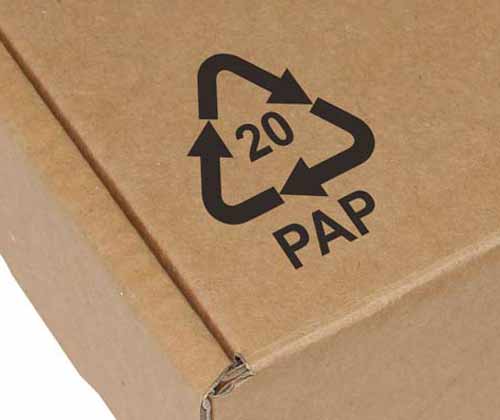
Clear information should be provided on every pack, showing what the material is made of, how it can be disposed of, and whether it can be recycled.
This information should be easy to read and understand to reduce confusion and help consumers sort their waste correctly.
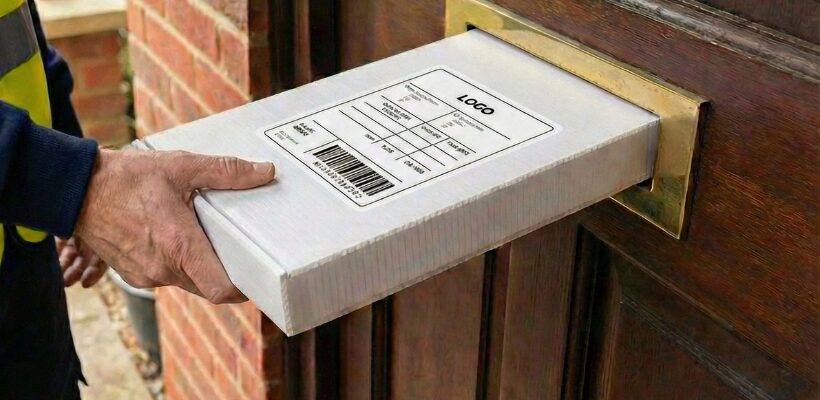
If your packaging is reusable, then the labelling must explain how it can be returned, refilled, and reused properly. In some cases, QR codes will also be required, allowing customers to scan them to access more detailed instructions online.
By 2028, standardised EU-wide pictograms will replace national recycling logos to simplify compliance and help consumers make informed choices wherever they buy the product.
How will you be affected?
When you should follow EU rules
If you are a UK-based company selling products on the EU market, these regulations will apply to you.
All of the above rules will apply to you, and it’s essential that you ensure compliance.
In many cases, UK businesses will need to appoint an authorised representative in each EU country where they sell their products.
Their representative will handle local regulatory obligations, including registration and Extended Producer Responsibility reporting. You can’t ignore this step; without proper registration and representation, your products may not be legally placed on the market.
To reduce your risks, it’s important that you take action early:
- Review all of your packaging formats.
- Check whether any of your materials fall under upcoming restrictions.
- Confirm that your packaging meets recyclability standards.
- Ensure your labels comply with EU requirements.
- Verify that your suppliers can provide the necessary compliance data.
- Keep clear technical documentation and tracking systems.
Non-compliant packaging can lead to border delays, fines, product withdrawals, and damage to your business’s reputation.
Summary
What these regulations mean for your business
The EU Packaging and Packaging Waste Regulation changes how packaging must be designed, labelled, reused, and recycled across Europe. It replaces fragmented national rules with a single, clear framework that applies across all Member States.
If your business is placing packaging on the EU market, you are responsible for ensuring compliance. This includes UK-based companies, with the added responsibility of ensuring you have local representation.
These regulations are designed to harmonise rules across the EU, reducing national variations but increasing the importance of cross-border compliance. Embrace these rules early to avoid penalties and secure your sustainability credentials in an increasingly environmentally conscious market.
If you are still unsure where your business stands, now is the time to review your packaging strategy. The experts at GWP can help you assess your current packaging, identify any compliance risks, redesign packaging formats where needed, and future-proof your products for the EU market, get in touch today.
About the author

David is responsible for driving improvements in sustainability at GWP and the wider Macfarlane Group, having previously performed a similar role for Zero Waste Scotland.
Important note
Due to the sensitive and regulated nature of the topic this guide addresses (eco-friendly packaging) we have taken extra steps to ensure its accuracy and reliability. You can find out more in our content policy.
All information is, to the best of our knowledge, accurate and correct at the time of publication. Please also note that, as all scenarios vary, not all information contained in this guide may apply to your specific application. There may also be specific regulations or laws, not covered within this particular guide, that apply. Please view the list of sustainable packaging regulations for further details.
Share this article
Further reading


Featured products



Get in touch
For full details on how GWP treats your data, please view this Privacy Policy. Your info is not shared with any third party.
Related guides
What is the packaging Extended Producer Responsibility (EPR)?
Extended Producer Responsibility (EPR) fees explained
EPR reporting – what packaging data does the new scheme require?
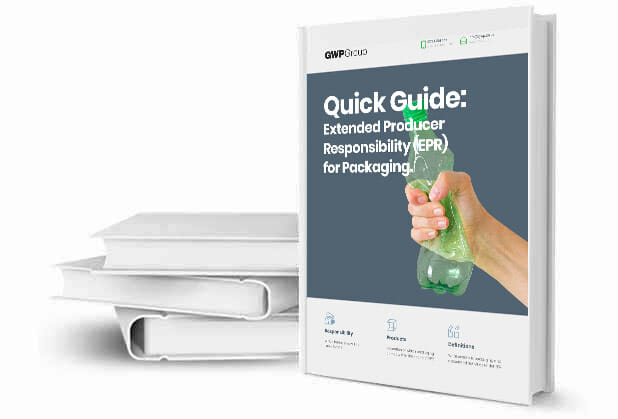
Packaging Waste Regulations quick guide (2026 update)
Packaging (Essential Requirements) Regulations 2015
A beginners guide to the Plastic Packaging Tax
Recycling symbols on packaging – explanation and free icon downloads
Recycling Assessment Methodology: What it means for your business
5 ways to avoid or reduce the impact of the tax on plastic packaging