









Improving Sustainability
Why green packaging should be a key part of your sustainability strategy
Your business is likely to be coming under increasing pressure – from customers, shareholders, even suppliers – to use green packaging.
But what is green packaging? And how can using it benefit your business?
Green packaging, also referred to as sustainable packaging, is that which reduces environmental impact. Green packaging typically uses less materials and energy in its manufacture, and is easily recyclable or biodegradable. Using green packaging can also improve customer satisfaction, help with brand positioning, and even reduce costs.
This guide sets out seven key reasons why your business should switch to green packaging.
Contents
Introduction
Why is green packaging important?
In today’s world, where environmental concerns are more pressing than ever, green packaging has emerged as a sustainable solution to reducing waste and minimising our environmental footprint.

Green packaging, also known as sustainable or eco-friendly packaging, refers to materials and designs prioritising recycling, biodegradability, and minimal environmental impact.
Packaging that meets these criteria helps reduce pollution, conserve resources, and support a circular economy. As businesses strive for greener choices, understanding the importance of green packaging is crucial in the fight against climate change and environmental degradation.
7 benefits of green packaging
Reasons your business should be using sustainable packs
Using green packaging has a number of significant benefits for both the environment and your business, including:
- Helps to reduce pollution.
- Minimises harm to wildlife and natural environments.
- Reduces carbon emissions.
- Satisfies consumer demands.
- Can reduce long-term costs.
- Helps your business comply with applicable regulations.
- Conserves natural resources.
Reduce Pollution
Reducing waste and preventing air pollution
Green packaging plays a pivotal role in our collective responsibility to reduce pollution. Addressing the harmful effects of traditional packaging materials empowers us to make a positive impact.
A key focus is reducing plastic waste, a major contributor to pollution, as conventional plastic packaging often ends up in landfills or oceans, persisting for hundreds of years. In contrast, green packaging uses biodegradable, compostable, or recyclable materials that break down naturally, significantly reducing pollution.
Additionally, green packaging helps prevent toxic chemicals from being released into the environment. Many traditional packaging materials contain harmful substances such as PVC, phthalates, and other pollutants that can leach into soil and water, negatively impacting wildlife and ecosystems.
By supporting the shift toward green packaging, we can protect wildlife, conserve resources, and move closer to a sustainable future.

Green packaging plays a pivotal role in our collective responsibility to reduce pollution. Addressing the harmful effects of traditional packaging materials empowers us to make a positive impact.
A key focus is reducing plastic waste, a major contributor to pollution, as conventional plastic packaging often ends up in landfills or oceans, persisting for hundreds of years. In contrast, green packaging uses biodegradable, compostable, or recyclable materials that break down naturally, significantly reducing pollution.
Additionally, green packaging helps prevent toxic chemicals from being released into the environment. Many traditional packaging materials contain harmful substances such as PVC, phthalates, and other pollutants that can leach into soil and water, negatively impacting wildlife and ecosystems.
By supporting the shift toward green packaging, we can protect wildlife, conserve resources, and move closer to a sustainable future.
Protect Wildlife
Preserve and protect wildlife and their habitats
Green packaging plays a significant role in protecting wildlife by reducing the environmental impact of packaging waste, which is a significant threat to animals and their habitats.
Traditional packaging, especially plastic, can result in the injuries, suffocation, and death of animals when they ingest or become entangled in it after it ends up in oceans, rivers, and forests.

According to The Ocean Cleanup, humans produce over 400 million metric tonnes of plastic yearly, and 0.5% of that ends up in the ocean. Biodegradable, compostable, and recyclable materials usually make up green packaging, which breaks down quickly and safely, minimising the risk to wildlife.
By choosing sustainable packaging, we can also help to preserve natural habitats. Plastic waste frequently litters beaches, forests, and marine environments, disrupting ecosystems and harming plant and animal life.
By choosing green packaging, we can reduce waste, promote responsible disposal and support the well-being of animals and the health of ecosystems worldwide.
Lower Carbon Footprint
Ensuring more energy-efficient production processes
Green packaging lowers our carbon footprint by using materials and production processes that are more energy-efficient and less reliant on non-renewable energy sources.
Traditional packaging, especially plastic made from petroleum, requires significant enegry for production and releases large amounts of carbon dioxide during manufacturing. Whereas green packaging often uses materials like recycled paper, cardboard, or plant-based plastics that require less energy to produce. For example, studies show that using recycled materials and optimised designs can reduce CO2 emissions by up to 60%.
Green packaging also tends to be lighter and more compact than conventional packaging, reducing transportation emissions. Less weight means less fuel is required to transport products, and smaller packaging means more efficient shipping.
Green packaging is often designed with end-of-life considerations, such as being biodegradable, compostable, or recyclable, reducing the need for landfills or incineration, processes that contribute to methane emissions or harmful gases released into the air.
Green packaging can significantly reduce its carbon footprint throughout its lifecycle by focusing on these factors, making it a vital tool in combating climate change.
Meet Consumer Demands
Cater to eco-conscious consumers
Green packaging aligns with the growing desire for sustainability and environmental responsibility. As awareness of environmental issues like plastic pollution and climate change rises, many consumers are becoming increasingly eco-conscious and prioritising eco-friendly products and practices.
A report from Statista shows that 82% of consumers have said they are willing to pay more for green packaging options, showing that businesses can leverage consumer demand by shifting to green packaging solutions. By opting for sustainable packaging, you can cater to eco-conscious customers and gain a competitive edge in the market.

Consumers increasingly understand the importance of reducing waste, and green packaging makes it easier to dispose of products responsibly. The convenience of easily recyclable packaging supports consumers in living more sustainably and encourages responsible behaviour like recycling and composting.
Green packaging is a positive step towards addressing global environemntal challenges. Adopting green packaging solutions often improves brand loyalty and customer satisfaction. By supporting brands prioritising sustainability, consumers feel positively impacted, leading to a deeper connection with your company and your values.
Cost-Effective in the Long Run
Enhance your reputation, long-term savings and profitability
Green packaging can be cost-effective in many ways in the long run. Firstly, it reduces your operational efficiency and enhancing your brand’s reputation, contributing to long-term savings and profitability. Also, green packaging materials, like recycled paper or biodegradable options, are often less expensive to produce than traditional plastics.
Additionally, many green packaging options are lighter and more compact, reducing transportation costs; with less weight and smaller volumes, businesses can ship products more efficiently, saving on fuel and lowering logistics expenses. Some reports show companies achieving up to 40% cost savings by switching to green packaging options.
In the long term, as consumers continue to demand more sustainable products, businesses prioritising green packaging are more likely to attract environmentally conscious buyers, resulting in higher sales and improved profitability.
As such, companies that embrace green packaging often enhance their brand image, leading to positive publicity, greater customer satisfaction, and long-term business success.
Complies with Regulations
Position your business as a leader in sustainability
With increasing environmental regulations to reduce waste, green packaging helps companies comply by using recyclable, compostable and biodegradable materials, often in line with national and international laws.

By shifting to green packaging, you can avoid fines and penalties associated with non-compliance. In the UK, around 40% of large businesses face hefty penalties for greenwashing in 2024.
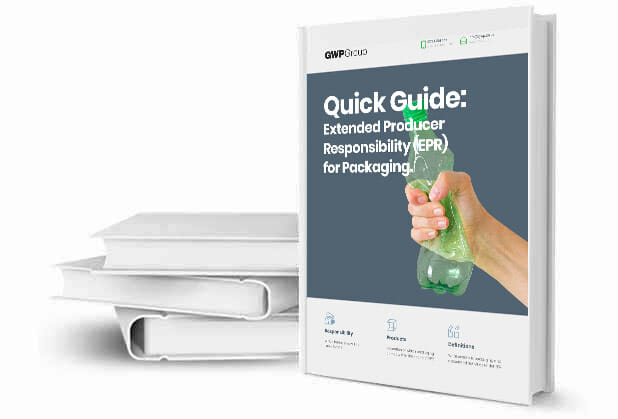
In addition to reducing plastic waste, green packaging will help you stay ahead of the extended producer responsibility (EPR). These regulations, which are increasingly being adopted globally, require companies to take responsibility for the end-of-life disposal of their products, including the packaging.
Green packaging can position your business as a leader in sustainability, too. Companies that actively reduce their environmental impact by using green packaging are often seen as partners in achieving national and international sustainability targets, creating opportunities for businesses to receive tax incentives, participate in green certifications, or be eligible for regulatory benefits.
Green packaging helps you comply with existing environmental regulations and prepares you for future legal requirements, ensuring you remain competitive and responsible in a rapidly evolving landscape.
Conserves Natural Resources
Use renewable sources to conserve natural resources
Green packaging conserves natural resources using renewable, recyclable, or recycled materials, reducing the need for raw materials. Traditional packaging materials like plastic often rely on non-renewable resources like petroleum, contributing to resource depletion.
Corn and sugarcane in plant-based plastics can be regrown year after year without exhausting natural reserves, helping to preserve non-renewable resources like fossil fuels and encouraging more sustainable use of the earth’s natural resources.
Additionally, incorporating recycled materials into the production process reduces the need for raw materials, minimising the energy and water required for extraction and production. For example, using recycled paper or plastic minimises the demand for logging or oil extraction. This, in turn, prevents habitat destruction and environmental pollution. Recycling generally uses less energy than new materials too, further conserving valuable resources and lowering the overall environmental impact of packaging production.
In Summary
Working with a green packaging manufacturer
At GWP, we have over 30 years of experience designing and manufacturing eco-friendly packaging and hold numerous environmental accreditations, including FSC and ISO 14001. However, the main advantage that we offer your business from an environmental perspective – is the ability to maintain your packaging’s effectiveness and appeal whilst reducing its environmental impact.
At GWP Group, we take pride in being an environmentally friendly packaging company that offers an environmental advantage to many businesses and organisations like yours.
Discover more about how we can support your journey to a greener future, or contact us today to discuss the perfect packaging options for your business. Together, we can ensure your green packaging makes a positive impact on both your bottom line and the planet.
About the author

David is responsible for driving improvements in sustainability at GWP and the wider Macfarlane Group, having previously performed a similar role for Zero Waste Scotland.
Important note
Due to the sensitive and regulated nature of the topic this guide addresses (eco-friendly packaging) we have taken extra steps to ensure its accuracy and reliability. You can find out more in our content policy.
All information is, to the best of our knowledge, accurate and correct at the time of publication. Please also note that, as all scenarios vary, not all information contained in this guide may apply to your specific application. There may also be specific regulations or laws, not covered within this particular guide, that apply. Please view the list of sustainable packaging regulations for further details.
Share this article
Further reading

Products in this guide





Get in touch
For full details on how GWP treats your data, please view this Privacy Policy. Your info is not shared with any third party.
Related guides
Recycling codes and resin identification symbols (for packaging)
What is sustainable packaging? And why it matters to your business
What is the packaging extended producer responsibility (EPR)?
PAP 20 logo – what is it, and should you be using it on your packaging?
A beginners guide to the Plastic Packaging Tax
Recycling symbols on packaging (+ free downloads)
Corrugated board grades explained: types of cardboard
How is cardboard recycled? A step-by-step explanation