






Introduction
Everything you need to know about protecting books
If you sell books online, you’ll already know how important the right book packaging is. Every order needs to arrive in the same condition that it left your premises, making packaging just as important as the book itself.
While books might seem relatively durable, they can actually be pretty vulnerable while they are being handled or during transit. Books will often arrive with bent corners, crushed spines, and torn covers; however, in many cases, the damage isn’t caused by the courier but by unsuitable packaging that fails to protect the book properly during delivery.
Between 2024 and 2025, almost one in four people (23%) received a damaged parcel – the equivalent of more than 12 million people in the UK. You will find that many of these incidents could have been prevented by choosing packaging that’s designed to fit and protect the product properly.
In this guide, we’ll explain how to choose the right book packaging for your business. We’ll cover the common mistakes that lead to damaged books, the impact these can have on customer satisfaction and your reputation, and how using a book wrap can help you reduce damage, improve packing efficiency and lower overall shipping costs.
Contents
Why does book packaging matter?
Online bookselling has transformed expectations
The way that people buy books has changed significantly over the last decade, and while visiting bookshops remains a popular pastime, online shopping has become a daily habit for many readers.
Following the release of the Amazon Kindle in 2010, eBook sales became increasingly popular – with digital book sales briefly overtaking print sales in 2012. However, the market has since balanced out again, with the UK publishing industry now worth £11 billion as of 2024 and 62% of adults still preferring to read physical books.
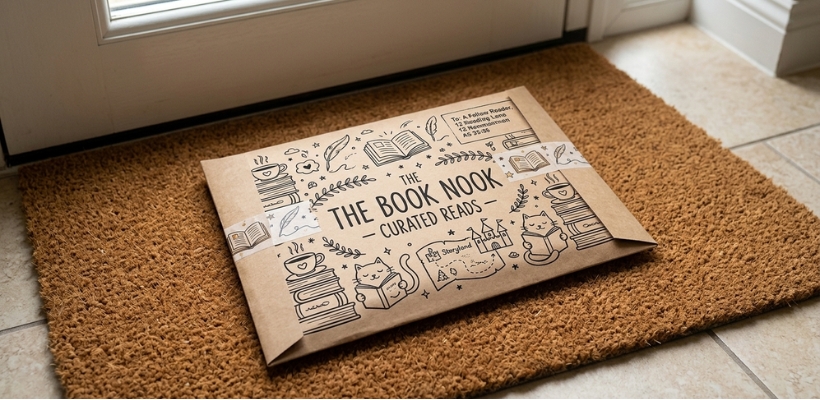
As the industry continues to grow, so do the challenges presented to booksellers. Increasing demand, higher customer expectations and greater pressure on courier networks mean books pass through multiple handling points before reaching the customer. Throughout their journey, they are exposed to impacts, heavy loads, moisture and rough handling that will damage inadequately packaged books.
Your book packaging is often the first physical interaction that customers will have with your brand, making it an important part of the overall buying experience. Receiving a book with bent corners, a crushed spine, or water damage turns excitement into disappointment.
Common book packaging mistakes
Understanding packaging methods sellers still rely on
Most booksellers still rely on traditional packaging methods that aren’t specifically designed for books. While these solutions might seem cost-effective, they actually leave your books vulnerable to impacts, compression, and movement throughout their journey.
And when a book arrives damaged, it’s easy to blame the courier handling the package; however, the more realistic cause often sits with the packaging itself.
One of the most common approaches is using standard corrugated boxes with bubble wrap, paper void fill, or air pillows. Although this provides a level of protection, oversized boxes can still allow books to move around inside the pack, increasing the risk of bent corners, crushed spines, and torn covers.

While corrugated packaging can support your sustainability goals, using the wrong-sized box can quickly outweigh any environmental benefits with unnecessary material use, increased returns and replacement shipments.
Some sellers use padded envelopes or even mailing bags, and while these might seem like the cheap and lightweight option, they offer basically no compression resistance, leaving your books open to permanent damage even from relatively minor impacts.
This is where the book wrap comes in!
What is a book wrap?
The packaging solution designed for books
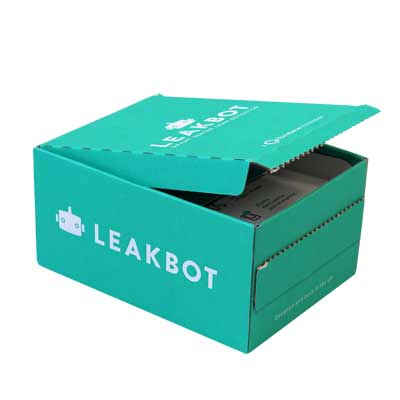
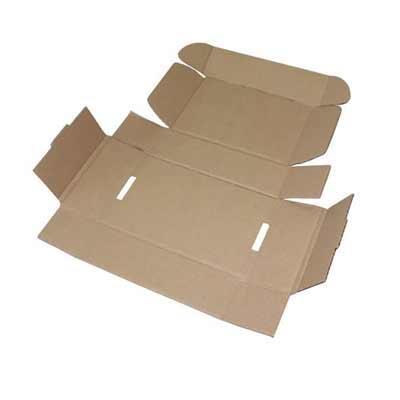
A book wrap is a type of protective book packaging that is designed to fit securely around books and other flat products. Unlike traditional corrugated boxes, it wraps tightly around the item, creating a snug fit that helps prevent movement during transit and significantly reduces the risk of damage.
Most book wraps are manufactured from strong corrugated cardboard, providing excellent protection against knocks, impacts and compression. Their adjustable depth allows a single pack size to accommodate products of different thicknesses, making them suitable for everything from individual paperbacks to multiple hardback books.
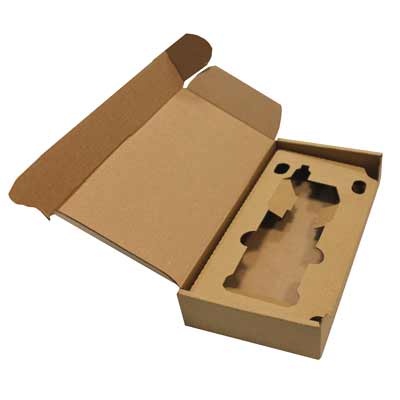
Although they were originally developed for shipping books, book wraps are now also widely used for a variety of products, from board games, picture frames, stationery, media products and small electronics.
Their biggest advantage is their ability to hold products securely in place; adjustable retention flaps wrap tightly around the product, reducing any movement throughout the entire delivery journey.
What are the benefits to your business?
Reduce costs, improve efficiency and deliver a better experience
As book wraps are designed specifically for books, they can offer your business multiple benefits.
Firstly, book wraps can be assembled in as little as three seconds by placing the product inside, folding the wrap around it and sealing the adhesive strip. This simple process requires minimal training and helps you improve your productivity by fulfilling orders faster.
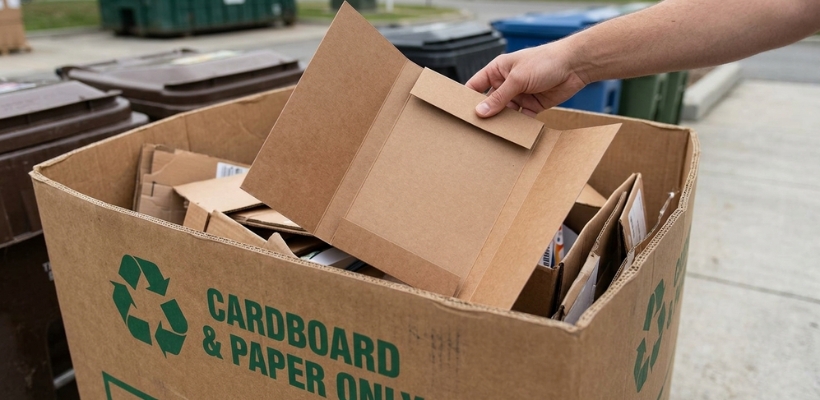
Thanks to their wrap-around design and adjustable retention flaps, they can accommodate books in a variety of sizes and thicknesses. This means a smaller range of packaging sizes can be used to ship a single paperback or multiple hardback books. This means fewer stock-keeping units (SKUs), simplifying your inventory and reducing your storage requirements.
With book wraps having such a snug fit, this also reduces the need for void-fill materials, therefore reducing your packaging material costs and creating a more professional pack that’s easier for consumers to recycle.
You can also add your logo, colours, QR codes or any promotional messaging to your book wraps, transforming them into the perfect marketing opportunity and helping to create better brand recognition and a more memorable unboxing experience.
Finally, as many book wrap designs are compact enough to qualify for letterbox deliveries – improving first-time delivery success – they can significantly reduce your shipping costs. Combined with better product protection and a positive unboxing experience, this can lead to higher customer satisfaction and a stronger perception of your brand.
Summary
Protect your books and your bottom line
Every book you send represents your business, and the condition it arrives in will influence customer satisfaction and any repeat purchases.
By investing in packaging that is designed specifically for your books, you can significantly reduce the risk of damage while improving the overall buying experience.
A book wrap offers a simple and effective solution with its secure wrap-around design that will protect your books throughout transit, reduce material use, and streamline your operations. Combined with custom branding and recyclable materials, it also supports your marketing and sustainability goals without compromising on protection.
If you’re looking for custom book wrap solutions tailored to your products and processes, our team of packaging experts at GWP is happy to help.
Get in touch with our team today to discuss your requirements and discover how custom book packaging can protect your products and deliver a better experience for every customer.
Share this article
Further reading

About the author

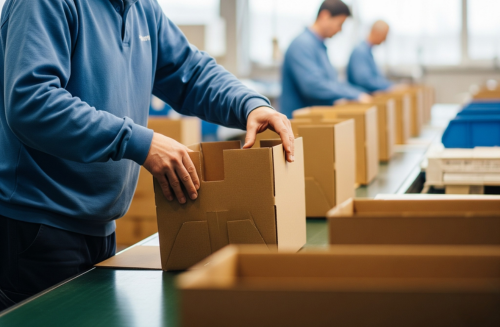
David joined GWP Packaging in 1995. His extensive knowledge and experience of corrugated packaging means he is widely regarded as an expert on this topic.
Featured products




Get in touch
For full details on how GWP treats your data, please view this Privacy Policy. Your info is not shared with any third party.
Related guides
Corrugated board grades explained: types of cardboard
Tips for streamlining your postal packaging process
5 key considerations for postal packaging success
Sustainable postal packaging – 6 options for your business
6 common postal packaging mistakes and how to avoid them
FSC® logo – guidelines for using the FSC® symbol on packaging
18 bitesize tips for packing postal orders and eCommerce fulfilment
9-step guide for successful packaging for subscription businesses
Smart packaging – a complete guide for businesses